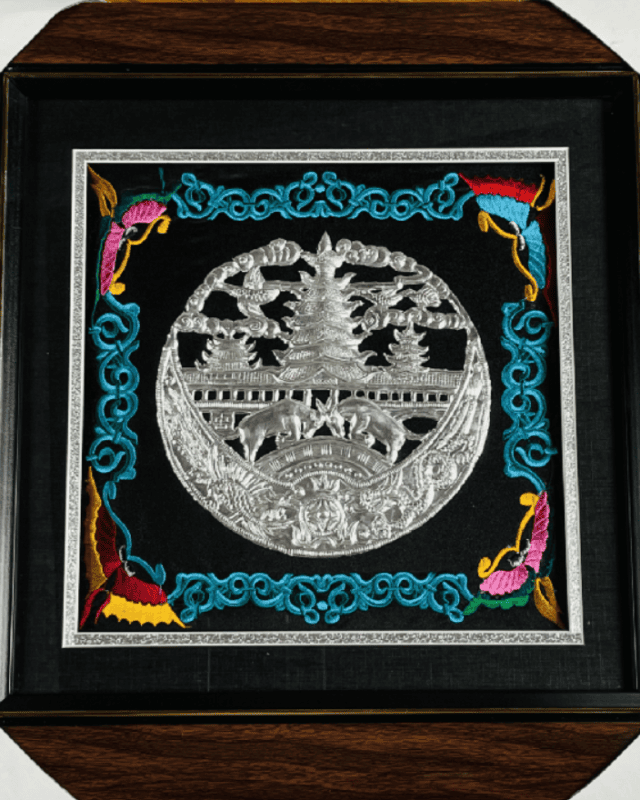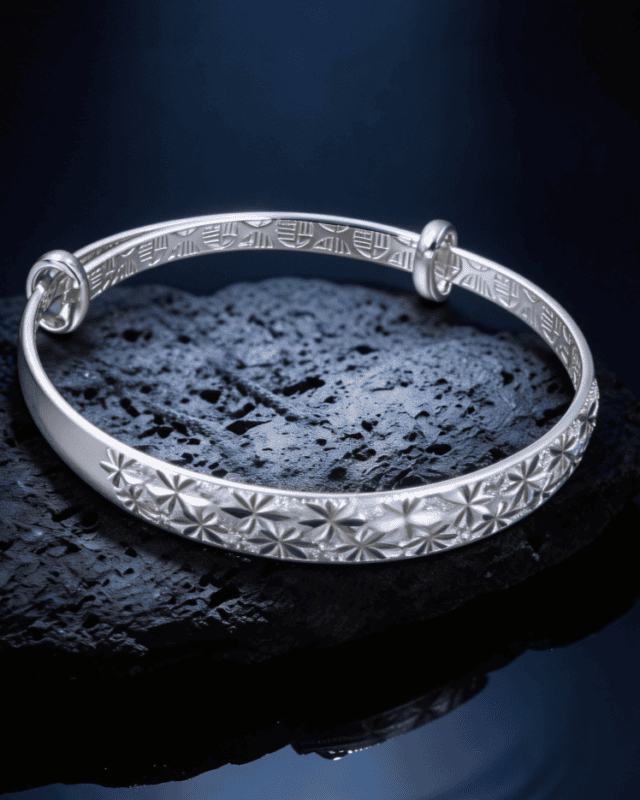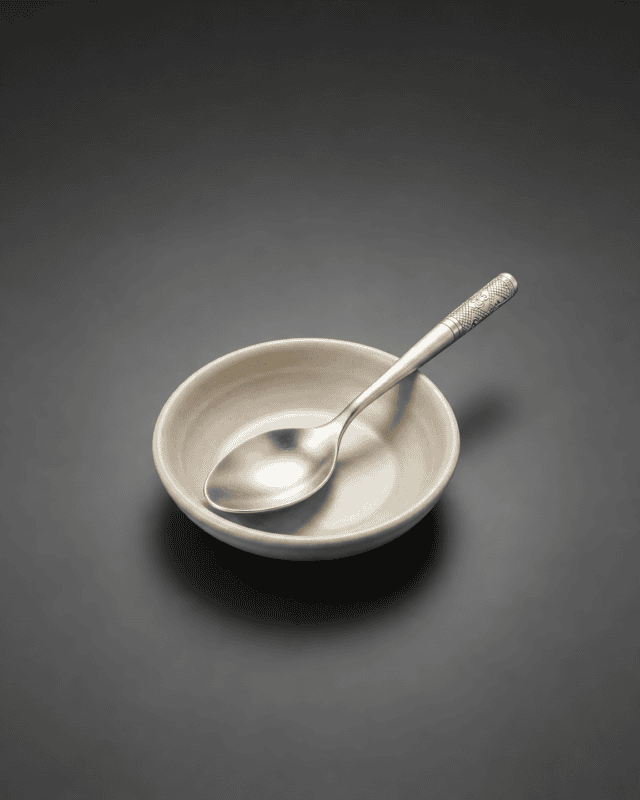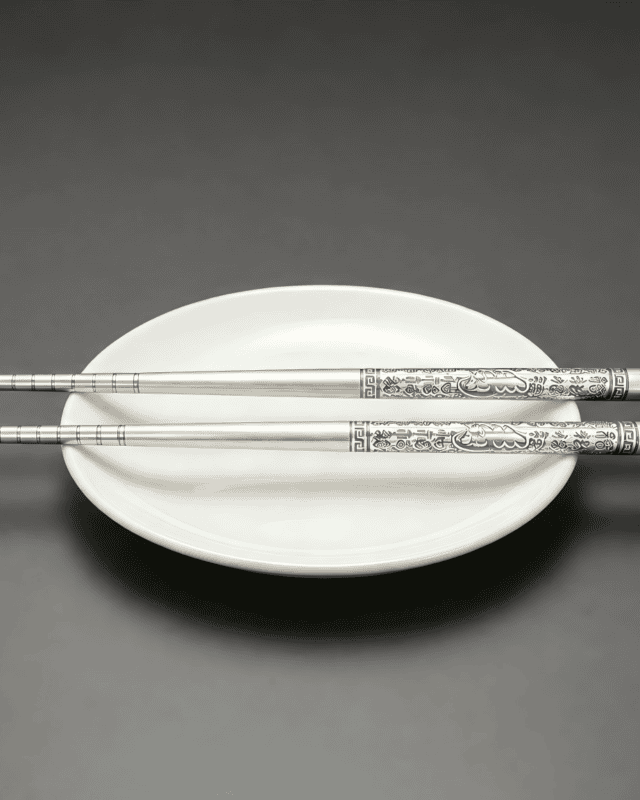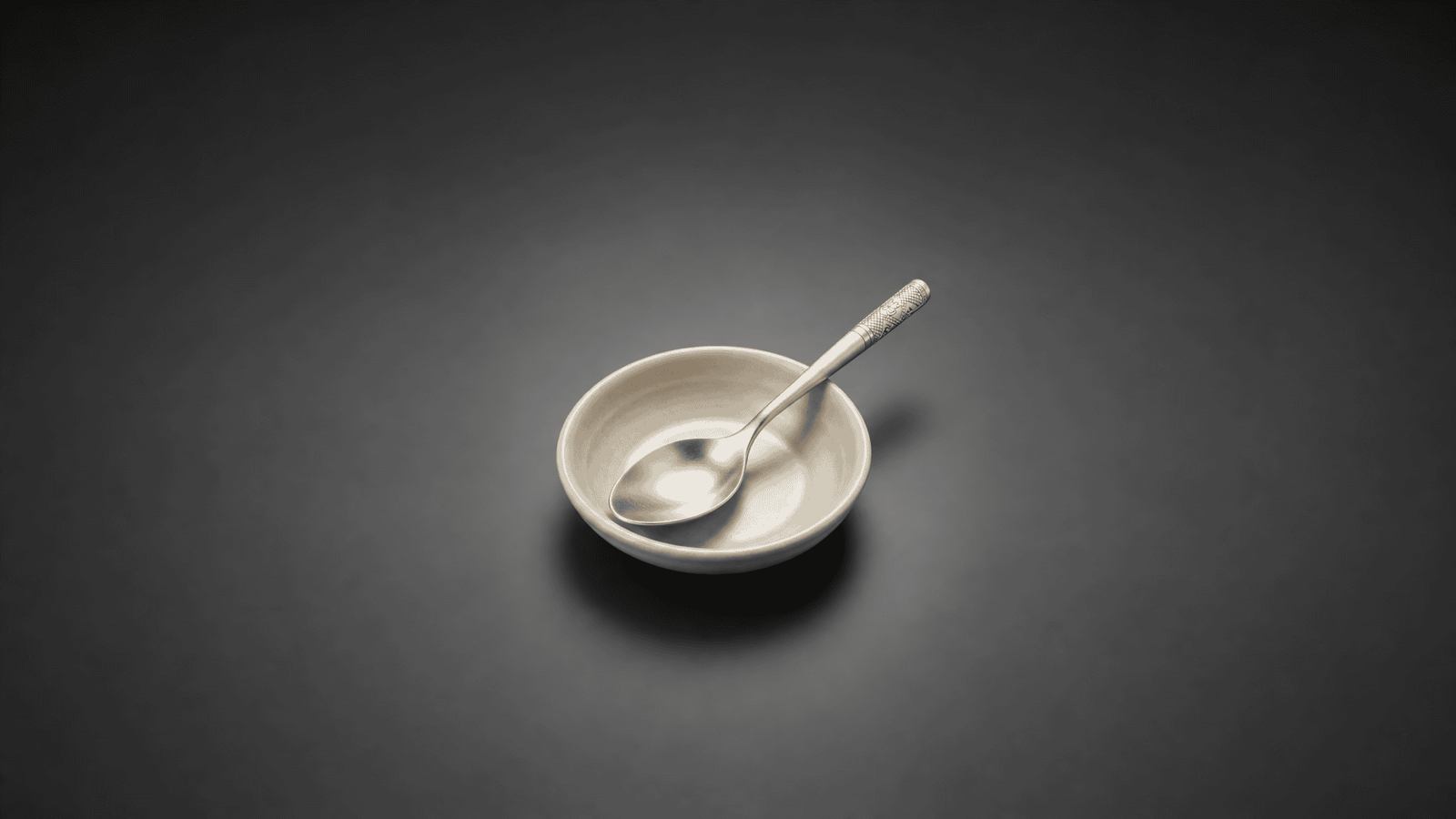
Silver has a long history at the dining table. In China and elsewhere, silver tableware could be valued for its appearance, craftsmanship, durability and material value. It also has a naturally clean taste compared with some metals, making it suitable for spoons, chopsticks and serving pieces.
Silver also became famous for supposedly revealing poisoned food.
The reality is more interesting.
Silver does not function as a general-purpose poison detector. What readily causes silver to darken is exposure to sulfur-containing compounds. Some historical toxic substances, including certain arsenic sulfides, contained sulfur, so a silver object could sometimes change colour in their presence. But the reaction was not specific to arsenic, and many poisons would leave silver unchanged.
The poison test — and what was actually happening
The idea of testing food with silver is very old. Silver needles, spoons and other silver objects were sometimes believed to reveal poison by turning dark.
There is a real chemical reaction behind part of the story, but it was misunderstood.
Silver reacts readily with sulfur-containing compounds, producing dark silver sulfide on the surface. This is one of the main reasons silver jewellery and tableware can tarnish.
Some historical arsenic preparations contained sulfur-containing compounds, including arsenic sulfides. In those cases, contact with silver could produce a visible change. But that does not mean silver was detecting arsenic itself.
It also means that ordinary food can cause silver to darken.
Foods and ingredients containing sulfur compounds include:
- Eggs, especially egg yolk.
- Onion, garlic, leek and shallot.
- Mustard and some fermented foods.
- Other foods or water sources containing sulfur compounds.
So if a silver spoon darkens after contact with eggs, that is a chemical reaction — not evidence that the food has been poisoned.
The old test was therefore unreliable as a general poison test. It could produce a reaction when sulfur was present, while leaving many dangerous substances completely undetected.
Why silver earned its place at the table
Silver tableware was valued for several reasons:
- It has a clean, neutral taste. Silver itself does not normally give food the strong metallic taste associated with some reactive metals.
- It signals refinement and status. A silver service has historically represented wealth, craftsmanship and hospitality in many cultures, including China and Europe.
- It lasts for generations. Well-made silver tableware can be repaired, polished and passed down through a family. Tarnish is a surface change, not the disappearance of the material.
- Silver has genuine antimicrobial properties. Silver ions can inhibit or kill many microorganisms, and silver compounds have recognised antimicrobial uses. But this does not mean that a silver spoon sanitises food or makes eating utensils medically safer.
The antimicrobial property is real. The idea that eating from silver automatically provides a health benefit is not something to rely on.
What silver at the table is actually like to use
Two things often surprise people.
It conducts heat very well
Silver has the highest thermal conductivity of the common metals at room temperature.
That means heat can travel quickly through a silver spoon. If the bowl of the spoon sits in very hot food for long enough, heat can reach the handle noticeably faster than with many less-conductive metals.
Be particularly careful when using a fine-silver spoon with very hot food around children.
It is softer than you might expect
Fine silver is relatively soft compared with common stainless-steel tableware.
A substantial S999 spoon or pair of chopsticks is perfectly usable for normal eating, but fine silver can bend or pick up dents if subjected to excessive force.
So:
- Do not use a silver spoon as a lever.
- Do not twist or bend chopsticks deliberately.
- Avoid crushing or dropping delicate pieces.
- Take extra care with thin, hand-formed components.
The softness is also part of what makes fine silver attractive to traditional silversmiths: it can be shaped and worked by hand with relative ease.
Caring for silver tableware
The basic rule is simple:
keep it clean, dry and away from unnecessary chemical exposure.
1. Wash by hand
For S999 handmade tableware, hand washing is the safest general recommendation.
Use warm water, mild dish soap and a soft cloth or sponge.
2. Avoid the dishwasher
For delicate, high-purity or hand-finished silver tableware, we recommend hand washing rather than relying on a dishwasher.
Dishwashers combine heat, detergents, moisture and contact with other metals. Silver can also suffer from contact with stainless steel under wet conditions, which can contribute to pitting. GE specifically advises keeping sterling silver separate from stainless steel in the dishwasher because stainless steel can cause pitting of the silver.
3. Dry it immediately
After washing, dry the piece thoroughly.
Avoid leaving silver wet for long periods, especially in a closed or humid environment.
4. Do not leave food on it
Try not to leave food sitting on silver for extended periods.
Eggs, mustard, salty foods and other sulfur- or chloride-containing foods can contribute to discoloration or surface damage.
5. Store it dry
A closed jewellery or tableware box, or a suitable tarnish-resistant bag, can reduce exposure to moisture and airborne contaminants.
Avoid prolonged contact with materials that may promote tarnishing, such as some rubber products, wool and untreated cardboard.
6. Polish gently
Silver polishing removes a small amount of the surface each time.
For routine care, a soft silver cloth is usually enough. Use stronger silver polish only when necessary, and be particularly careful with engraved, textured, oxidised or deliberately darkened details.
Silver as a gift
Silver tableware can make a meaningful gift because it combines practical use with lasting value.
In Chinese culture, silver has long carried associations with purity, prosperity, family wealth and good wishes. Silver objects can be given for important family occasions and kept for many years, becoming part of a household rather than something that is simply used and discarded.
Chopsticks can also make a thoughtful pair of gifts. Because they come as a pair, they naturally lend themselves to ideas of companionship, togetherness and harmony.
One piece of Chinese dining etiquette is worth remembering:
Do not stand chopsticks upright in a bowl of rice.
Upright chopsticks resemble the incense used in offerings to the deceased, so the gesture is traditionally avoided at the dining table.
Choosing a piece
When choosing silver tableware, look for a clear purity mark and pay attention to the quality of the workmanship.
For handmade pieces, consider:
- Purity — check whether the maker specifies S999, S990 or another silver standard.
- Weight — silver is dense, so a genuine piece will usually have a satisfying weight for its size.
- Construction — check that handles, joints and decorative elements are securely made.
- Surface finish — fine silver can be polished brightly, but a satin or softly brushed surface can be easier to live with because everyday marks are less obvious.
- Craftsmanship — on handmade pieces, small variations can be part of the character of the work rather than evidence of poor quality.
The silver tableware in our collection is made from S999 fine silver, the same high-purity silver used in our fine-silver jewellery.
For an explanation of S999 purity, see What does S999 mean on silver jewellery?
For the cultural background behind these pieces, see What is Miao silver jewellery?
Silver at the table: more than decoration
A silver spoon or pair of chopsticks can look simple, but the material carries a surprisingly long story.
Silver has been used because it is beautiful, valuable, workable and durable. It can be polished, reshaped and passed from one generation to the next.
Its old reputation as a poison detector is only partly grounded in chemistry. Silver reacts with sulfur — not with “poison” in general.
That distinction matters.
It lets us appreciate silver for what it really is: a beautiful material with real physical and chemical properties, rather than a magical test for safety.