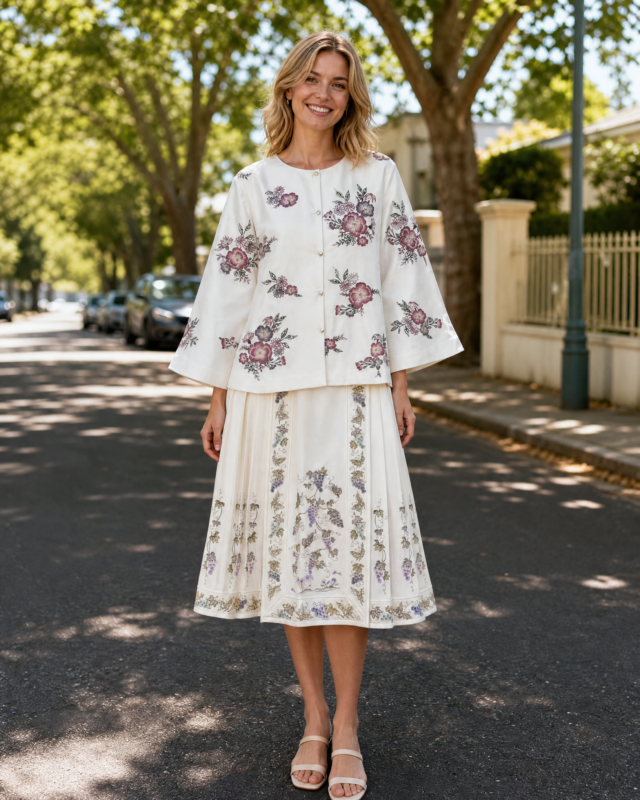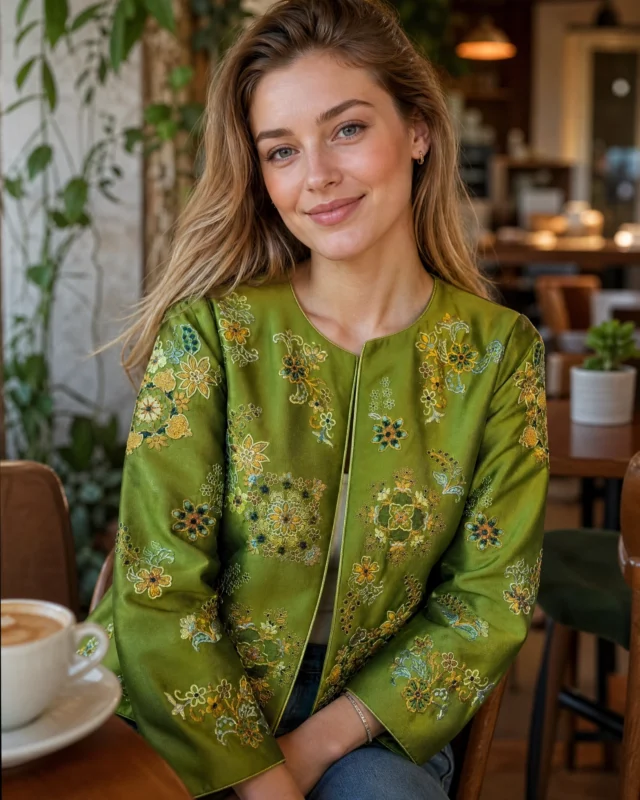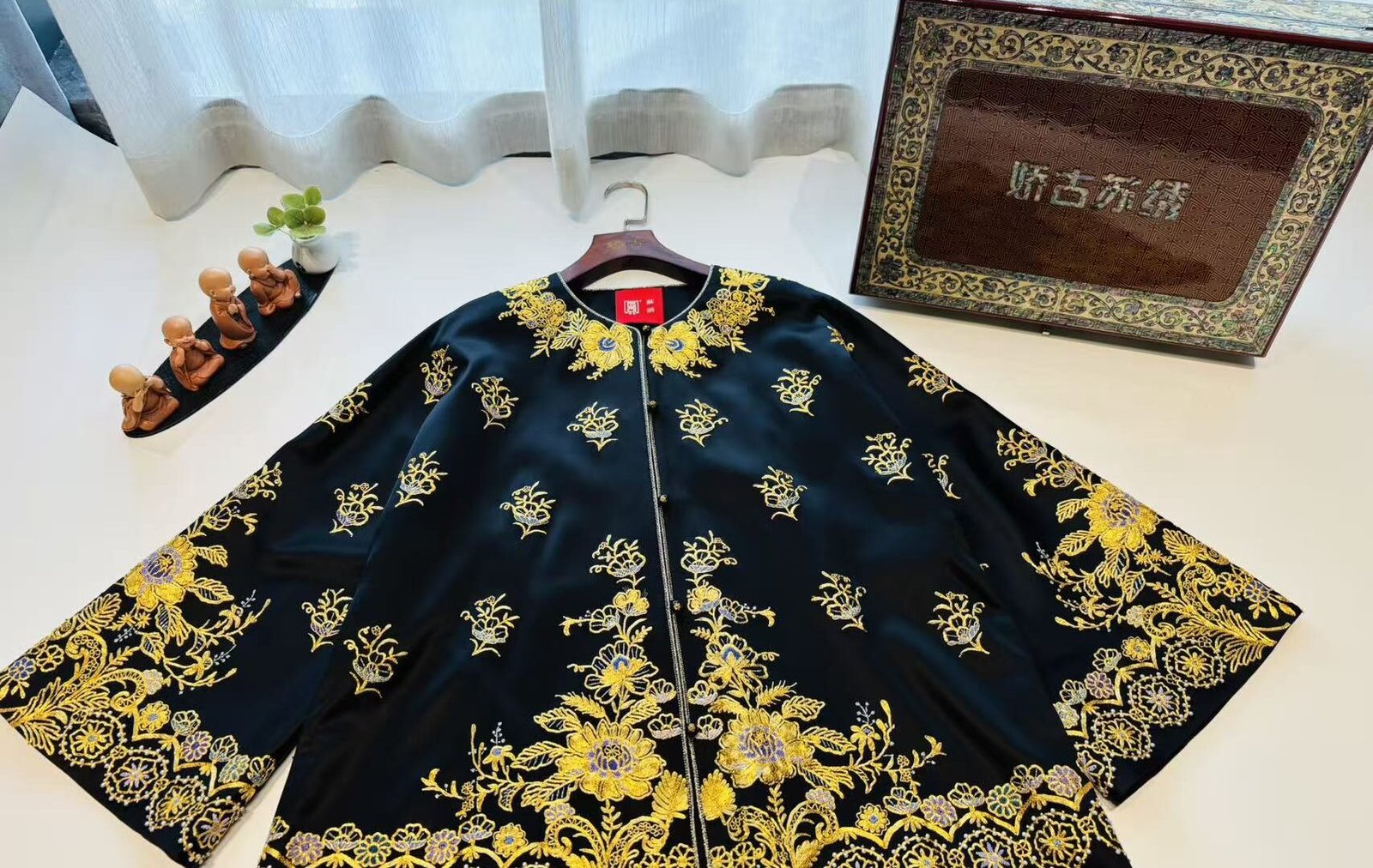
Su embroidery, or Su Xiu (苏绣), is the traditional embroidery of Suzhou and the surrounding region of Jiangsu. It is one of the Four Great Embroideries of China, together with Xiang embroidery from Hunan, Yue embroidery from Guangdong and Shu embroidery from Sichuan.
Su embroidery is particularly known for fine stitching, elegant composition, delicate colour transitions and a smooth, refined surface. Its history stretches back more than 2,000 years, and the craft was included in China’s first batch of national intangible cultural heritage in 2006.
The tradition developed alongside Suzhou’s long history of silk production. Over the centuries, embroiderers developed an increasingly sophisticated range of stitches and techniques, transforming silk thread into everything from small decorative motifs to highly detailed landscapes, flowers, animals and portraits.
The Four Great Embroideries
Chinese embroidery is conventionally grouped into four major regional traditions, each with its own character:
- Su embroidery (Suzhou, Jiangsu) — fine, delicate and elegant, with subtle colour transitions and a refined surface.
- Xiang embroidery (Hunan) — known for strong modelling, rich tonal effects and subjects such as tigers and lions.
- Yue embroidery (Guangdong) — vivid and decorative, often featuring dense compositions and bright colours.
- Shu embroidery (Sichuan) — known for its even stitching, clear colours and distinctive regional style.
These traditions overlap in some techniques, but each developed its own visual language. Su embroidery is especially associated with delicacy, restraint and the ability to use tiny variations in stitch and colour to create painterly effects.
Splitting the Silk Thread
One of the techniques most closely associated with fine Su embroidery is thread splitting, known in Chinese as pi si (劈丝).
A silk embroidery thread can be split repeatedly into finer and finer filaments. The finer the thread, the less colour each individual stitch deposits, allowing the embroiderer to build extremely gradual changes in tone.
This makes subtle shading possible. Instead of moving directly from one colour to another, the embroiderer can layer closely related shades across a flower, animal or portrait, creating a transition that resembles the blending of paint.
The result can look almost painted from a distance, while close inspection reveals thousands of carefully controlled stitches.
Fine Su embroidery aims for a smooth, even surface, clean edges, harmonious colours and carefully controlled thread direction. In a well-made piece, loose thread ends, bulky ridges and abrupt colour changes are kept to a minimum.
Double-Sided Embroidery
One of the best-known advanced techniques is double-sided embroidery.
The embroidery is worked so that both sides of the textile are fully finished. Loose ends and knots are carefully concealed within the stitching, leaving no obvious unfinished reverse side.
On suitable fine or translucent fabric, the effect can be particularly striking. A finished work can be viewed from either side without revealing a conventional “back”.
An even more specialised form is double-sided different embroidery, in which the two sides show different images, colours or stitch arrangements on the same piece of fabric.
This requires extremely precise control because there is no conventional reverse side on which to hide thread ends or construction details.
Random Stitch Embroidery
Not all Su embroidery is smooth and regular.
In the 1930s, Suzhou embroiderer Yang Shouyu developed random stitch embroidery (luanzhen xiu, 乱针绣), introducing a more painterly approach to needlework. Instead of relying mainly on regular, parallel stitch directions, the technique uses crossing strokes laid in different directions and built up in layers.
The technique was particularly suited to portraits, animals and landscapes because the changing directions and layers of thread can create stronger modelling, light and shadow.
Up close, the stitching may appear deliberately loose or energetic. From a distance, the individual stitches merge into a larger image, much like brushstrokes in a painting.
How Long Does a Piece Take?
Fine hand embroidery takes time — often much more than people expect.
A small framed panel can require weeks of work. A large, highly detailed or double-sided piece may take months, while ambitious exhibition works can occupy an embroiderer for a year or longer.
Garments distribute the work across many smaller areas. The embroidered sections of a jacket — cuffs, hems, borders and decorative motifs — may represent hundreds of hours of handwork before the garment is assembled.
That labour is an important part of the value of a hand-embroidered Su embroidery piece. You are not simply buying the silk and thread; you are buying the time, skill and concentration required to transform them into a finished work.
How to Tell Hand Embroidery from Machine Work
Modern machine embroidery can be extremely sophisticated, so no single visual test is completely reliable. Instead, look for several clues together:
- Examine the reverse. Machine embroidery often has a more regular and mechanically consistent reverse, and may include backing or stabilising material. Hand embroidery tends to show more variation in thread direction, tension and construction.
- Look at repeated motifs. Perfectly repeated motifs can be a clue to machine production, although repetition alone is not proof.
- Study the stitch direction. Hand embroidery often shows subtle changes in stitch length, direction and tension that reflect the embroiderer’s decisions.
- Look closely at colour transitions. Fine hand embroidery can create extremely gradual tonal changes through layered stitches and carefully selected thread colours. Colour gradients alone, however, are not enough to distinguish hand work from modern machine embroidery.
- Feel the fabric. Heavily machine-embroidered areas can sometimes feel stiffer because of dense stitching or stabilising materials. Fine hand embroidery generally preserves the natural drape of the silk.
When buying an expensive piece, provenance, the maker or workshop, and clear information about how the piece was produced are more reliable than visual inspection alone.
Caring for Embroidered Silk
Silk embroidery can last for generations, but it should be protected from excessive light, moisture, friction and rough handling.
- Cleaning. For valuable, structured or heavily embroidered garments, professional textile cleaning is the safest option. Tell the cleaner that the piece is hand-embroidered silk. If hand washing is specifically recommended, use cool water and a detergent formulated for silk, avoid soaking and never rub directly across the embroidery.
- Never wring. Gently press excess water out between clean towels and dry flat, away from direct sunlight and heat.
- Ironing. If ironing is appropriate for the particular piece, use low heat from the reverse side with a protective cloth between the iron and the fabric. Never press directly onto raised embroidery.
- Storage. Fold delicate pieces with acid-free tissue, or use a suitably padded hanger for structured garments. Avoid wire hangers and airtight plastic bags that can trap moisture.
- Light. Prolonged sunlight can fade silk dyes. Keep framed embroidery away from strong direct light and rotate displayed pieces when appropriate.
- Snags. Rings, watch clasps, Velcro and rough surfaces can catch embroidery threads. If a thread is pulled, do not cut it. Where possible, gently ease it back into place from the reverse side or have the piece repaired by a specialist.
Historic examples of Su embroidery survive in museum collections, showing how well silk embroidery can endure when protected from excessive light, moisture and handling. For modern pieces, careful storage and limited exposure to sunlight are the best ways to preserve both the silk and the embroidery.
Su embroidery is ultimately a meeting point between silk, colour and needlework. From the smallest split silk filament to the finished composition, every part of the process depends on precision — which is why the finest pieces can look less like stitched fabric and more like a painting made with thread.