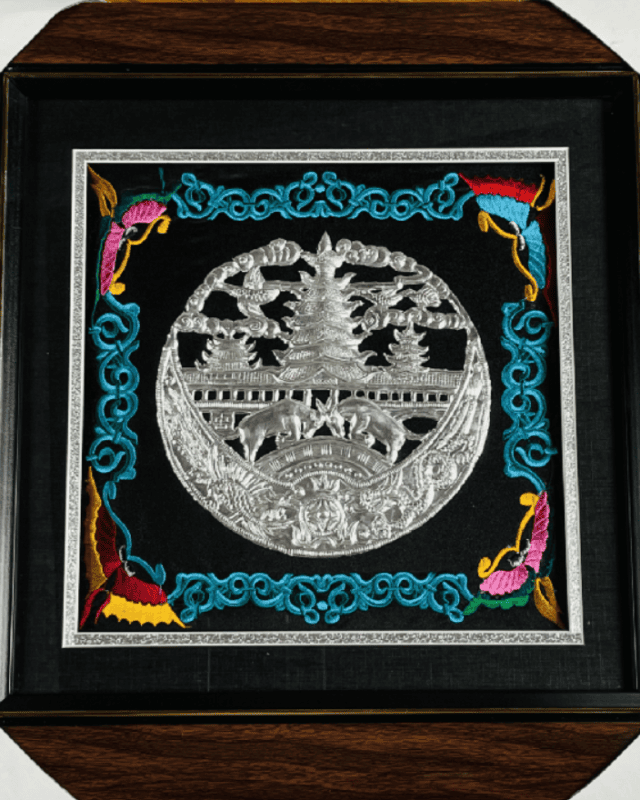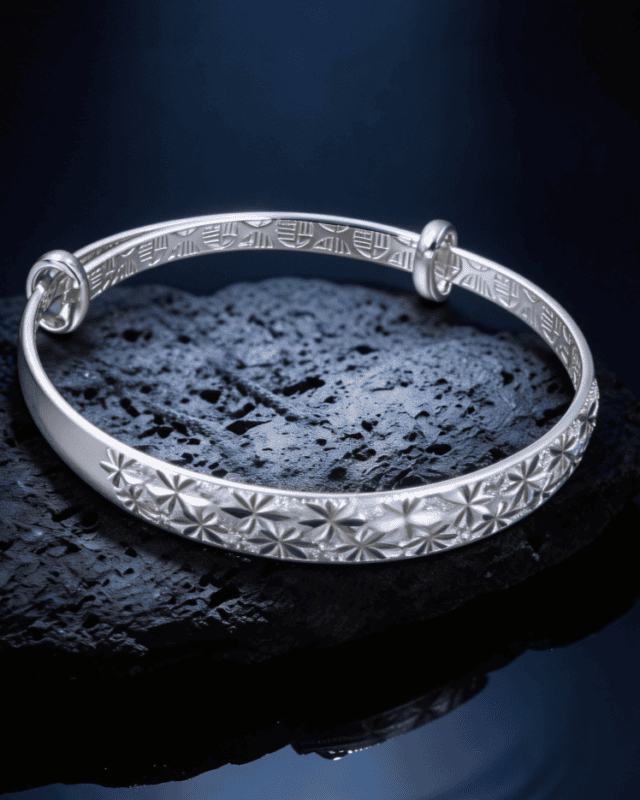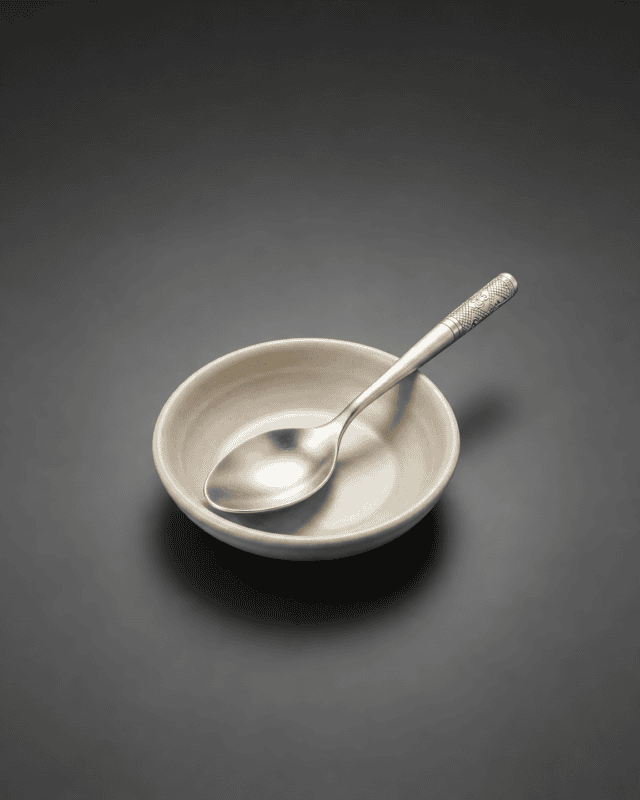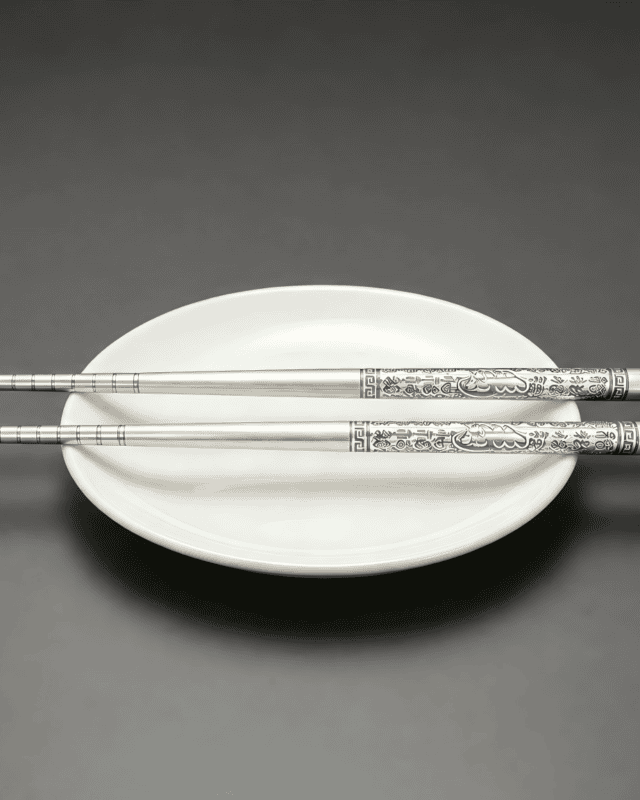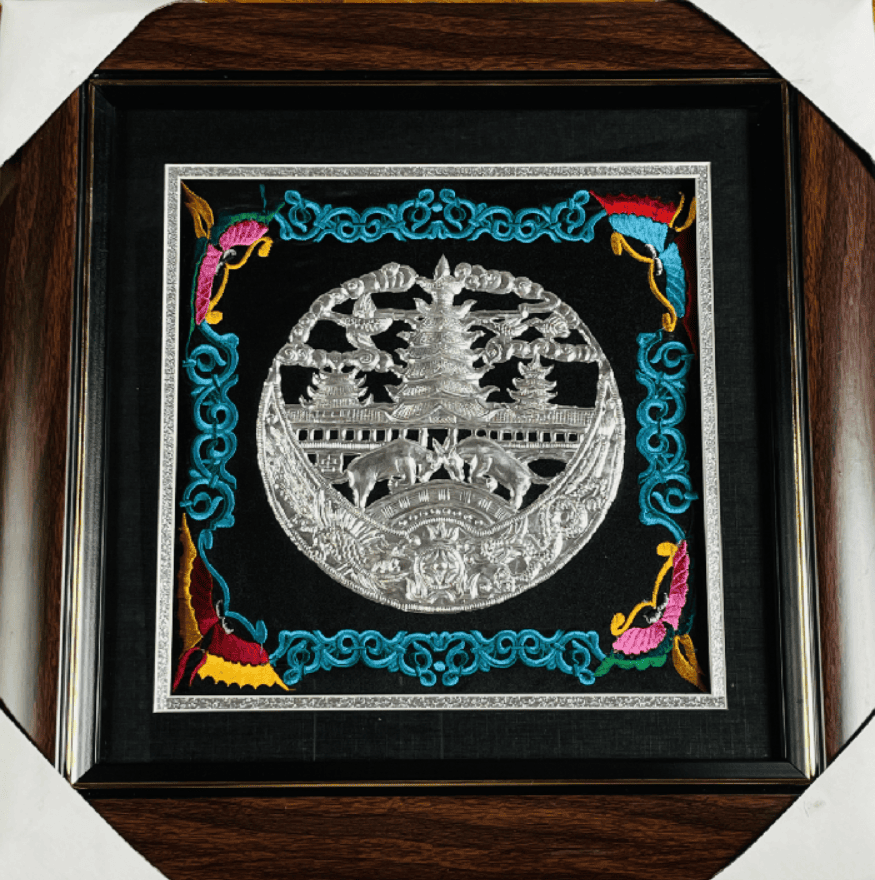
Miao silver jewellery is the traditional silverwork of Miao communities in southwest China. It includes headpieces, neck rings, collars, chest ornaments, bracelets, earrings, hair ornaments and many other forms.
Silver is especially prominent in the traditional dress of Miao women, where different pieces are worn together to create an elaborate ceremonial appearance. The exact styles vary considerably between regions and communities.
Miao silver is particularly associated with Guizhou, especially southeastern Guizhou, but important traditions also exist in other Miao communities, including western Hunan. The national intangible cultural heritage programme includes Miao silverworking traditions from places such as Leishan, Taijiang, Jianhe, Huangping and Fenghuang.
Why silver, and why so much of it?
Three ideas come together: tradition, family wealth and celebration.
- Wealth and family inheritance. Silver could be both something to wear and a form of tangible family wealth. In some communities, silver ornaments were accumulated over time, given as marriage gifts, and passed between generations. Traditional sources describe families beginning to prepare silver ornaments for daughters from a young age and adding to the collection over the years.
- Identity and belonging. Silver jewellery can distinguish regional styles and express a person’s connection to their community. Different Miao regions developed their own distinctive forms, patterns and combinations of ornaments.
- Festivals and important occasions. Silver is especially visible during festivals, weddings and other celebrations. Wearing a complete set is not simply about decoration; it can bring together family tradition, craftsmanship, identity and ceremonial meaning.
The amount and richness of silver could also reflect a family’s resources. But its meaning goes beyond wealth: it can represent beauty, family memory, social identity and hopes for the future.
How heavy does it actually get?
The weight varies greatly according to region, design, occasion and the number of pieces worn together.
A single bracelet or pair of earrings may be relatively light, while an elaborate ceremonial ensemble can contain many separate silver ornaments. Some traditional silver garments and large ceremonial sets can weigh several kilograms, and exceptionally elaborate examples can be considerably heavier.
The famous silver headdresses and floral crowns are particularly elaborate. Official descriptions of traditional Miao silverwork note that some large headpieces are assembled from more than a hundred individual components.
The weight is therefore not a fixed characteristic of “Miao silver”. It depends on which regional tradition, which type of costume and which occasion you are looking at.
How a piece is made
A single ornament may pass through many separate operations. Traditional Miao silverworking includes processes such as:
- Melting and casting — silver is melted and formed into workable shapes.
- Hammering and shaping — silver is repeatedly hammered into sheets, bars and other forms.
- Wire drawing — silver is pulled through a drawplate to produce fine wire.
- Wire twisting and forming — fine silver wire is shaped into decorative components.
- Chasing and engraving — patterns are worked into the surface with specialised tools.
- Soldering and assembly — many individual components are joined together to create larger motifs.
- Washing and polishing — the finished piece is cleaned and brought to its intended surface appearance.
Traditional descriptions of the craft record more than 30 stages from design through fabrication, including melting, casting, hammering, wire drawing, soldering, engraving, assembly and washing.
The remarkable part is not simply the number of steps. It is the ability of the silversmith to turn thin sheets and fine wires into a complex three-dimensional ornament while keeping the structure light, balanced and visually rich.
What the motifs mean
Miao silver jewellery is rich in imagery, but there is no single universal dictionary of Miao symbols. Meanings can vary between regions, communities and individual designs.
Some recurring motifs include:
- Butterflies — the butterfly is an important figure in Miao mythology, especially in traditions surrounding the story of the Butterfly Mother.
- Buffalo horns — horn-shaped forms are widely seen in Miao silver ornaments and connect with the importance of cattle in traditional Miao life and imagery.
- Dragons and other mythical creatures — these appear in many regional designs and can reflect local stories and traditions.
- Birds, fish, insects and flowers — natural forms are frequently transformed into decorative motifs, reflecting the close relationship between Miao visual culture and the natural world.
Different regions use different combinations and styles. For example, official descriptions of Miao silver from Jianhe and Huangping specifically mention dragons, insects, flowers, birds, fish and other plants and animals as sources of decorative imagery.
Rather than treating every motif as having one fixed meaning, it is more accurate to see Miao silver as a visual language shaped by mythology, nature, local tradition and craftsmanship.
Miao silver and Miao embroidery
Silver jewellery is an important part of traditional Miao festival dress, often worn together with richly embroidered textiles.
The two crafts complement one another:
one works in metal, the other in thread.
Embroidery provides colour, pattern and movement, while silver adds brightness, structure and weight. Together, they create the highly distinctive appearance of traditional Miao dress.
Silver jewellery, embroidery, weaving and batik can also help distinguish different regional Miao traditions.
Living with silver: tarnish and care
Silver can naturally tarnish when it reacts with sulfur-containing compounds in the environment. Over time, the surface may become darker or develop a blackish layer.
This is a natural chemical change and does not by itself mean that the silver is poor quality or fake.
Traditional Miao silver can also be cleaned and polished. Historical descriptions of the craft specifically mention washing as a finishing process used to remove dirt and restore brightness.
For everyday care:
- Wear it regularly. Gentle contact with skin and clothing can keep the surface bright, although this varies with the environment.
- Store it dry and closed. A small airtight bag or jewellery box can reduce exposure to moisture and air.
- Keep it away from chemicals. Perfume, lotions, chlorine and household chemicals can affect silver surfaces.
- Clean it gently. A soft silver cloth is suitable for many pieces, but be careful with deliberately aged, oxidised or textured finishes.
- Be careful with delicate ornaments. Fine silver components can bend or deform if subjected to excessive force.
Older pieces may develop a darker colour in recessed areas while raised surfaces become brighter through handling. On a traditional piece, this change can be part of its character rather than something that needs to be removed completely.
A living tradition
Miao silver jewellery is more than an ornament.
It brings together material value, family memory, regional identity, mythology, craftsmanship and celebration.
The techniques have been passed down through generations, while contemporary silversmiths continue to adapt traditional forms for new wearers. Official heritage records describe the craft as a highly developed handmade tradition involving dozens of processes and distinctive regional styles.
A piece of Miao silver can therefore be appreciated in two ways at once: as a beautifully made object, and as part of a living cultural tradition.